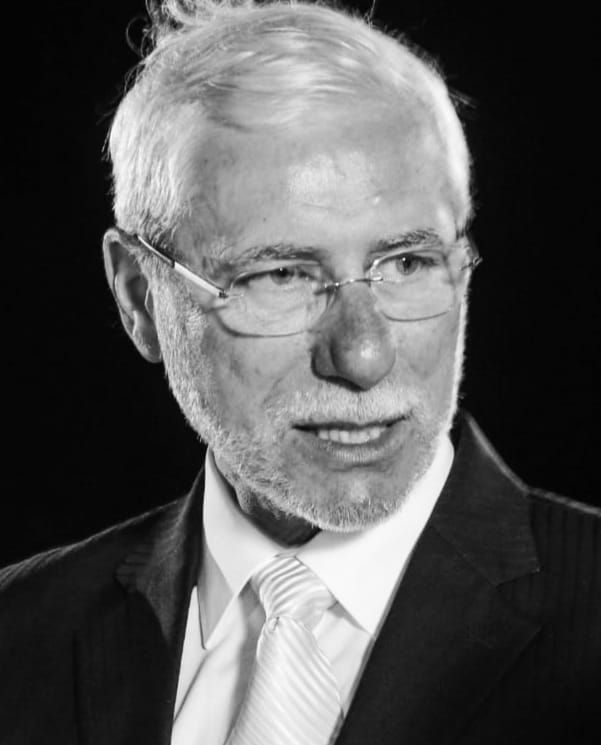
Most of my adult life I strived to manage my scientific and musical careers separately. As a scientist and a university professor I engaged in energy optimisation, process control, and artificial intelligence. As a performing classical guitarist, I had accompanied classical singers, sawing the seeds of my future passion for voice.
When I embarked on a more serious study of singing myself, some years ago, the two careers happily combined. Faced with the complex task of mastering the most noble of the arts, I naturally turned to science as my instinctive source of knowledge and skill.
The complexity of voice science stunned me. How could a musician fully appreciate the powerful messages contained in complicated scientific papers on acoustics, resonance, and physiology? How could a scientist interpret and guide the implementation of his/her findings without having acquired the knowledge of good singing? Can I combine the two?
The result is the workshop designed to help vocal pedagogues understand all major scientific elements of classical voice, and work with them to modify and improve their teaching methodologies accordingly.
Our mission is to tackle complex voice science and singing technique and interpret them both in a more understandable and usable way.